NatureOctober 29, 2026
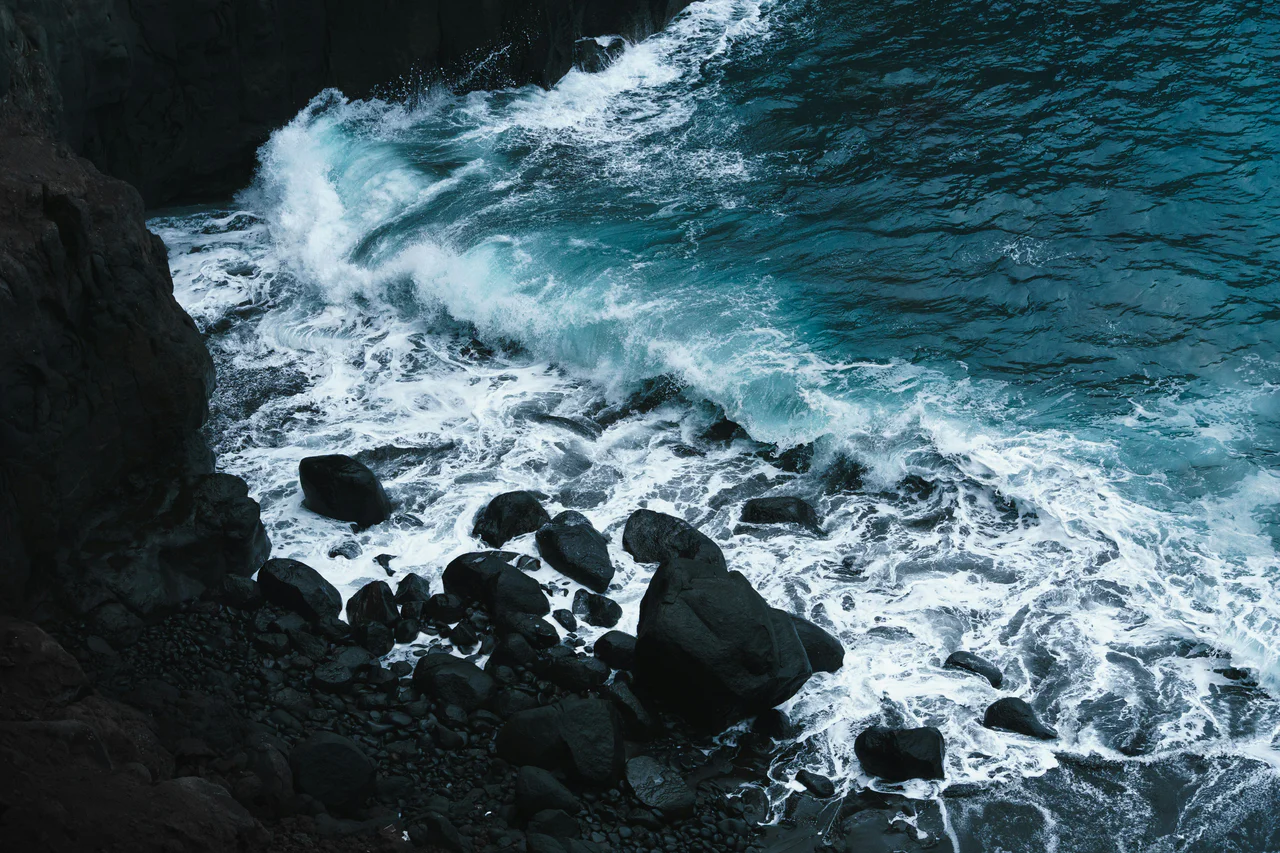
Why Ocean Waves Flash Blue When Tiny Plankton Are Disturbed.
Waves can flash blue at night when dinoflagellates, tiny plankton, are disturbed. The flash is fast, but only some species and some coasts glow.
Read moreNature
We explain animal behavior and ecosystems with the same rigor as a field biologist, minus the jargon. Recent explainers include Why Ocean Waves Flash Blue When Tiny Plankton Are Disturbed. and Swallows Fly Low, but Rain Is Not Guaranteed.
Waves can flash blue at night when dinoflagellates, tiny plankton, are disturbed. The flash is fast, but only some species and some coasts glow.
Read more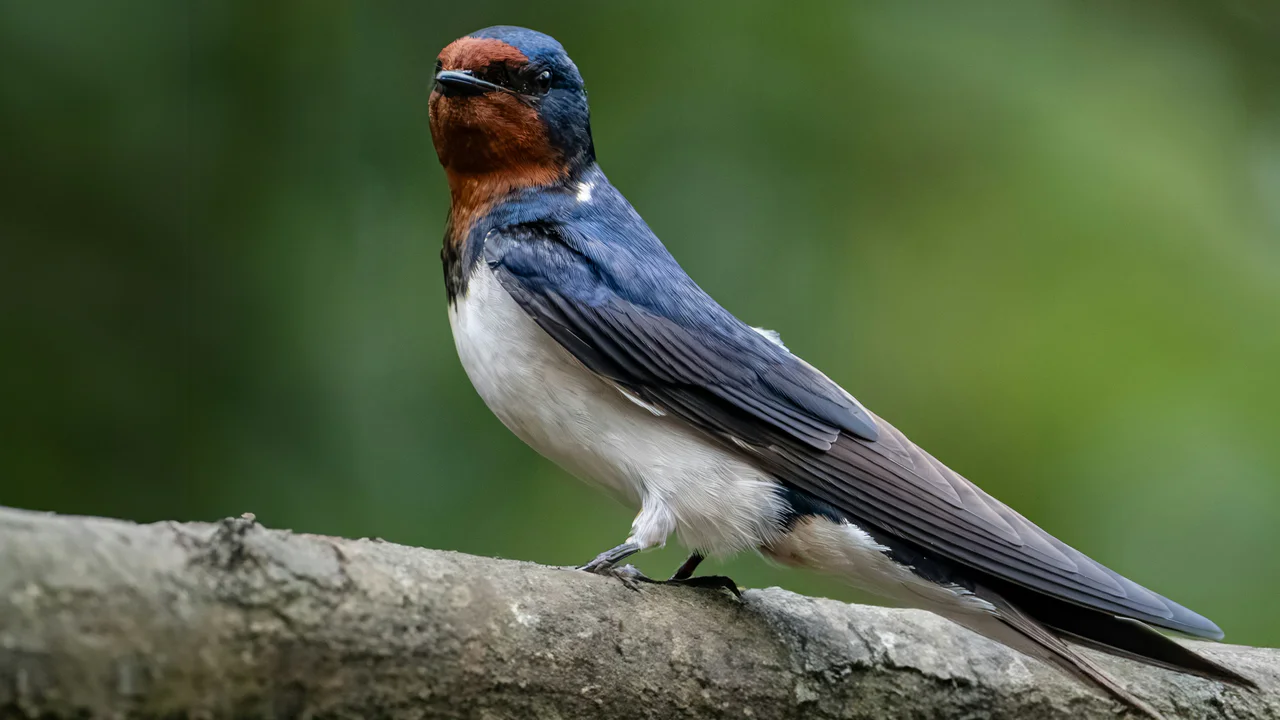
Swallows sometimes hunt close to the ground before rain. Research shows that weather affects their flight, but the full explanation remains uncertain.
Read more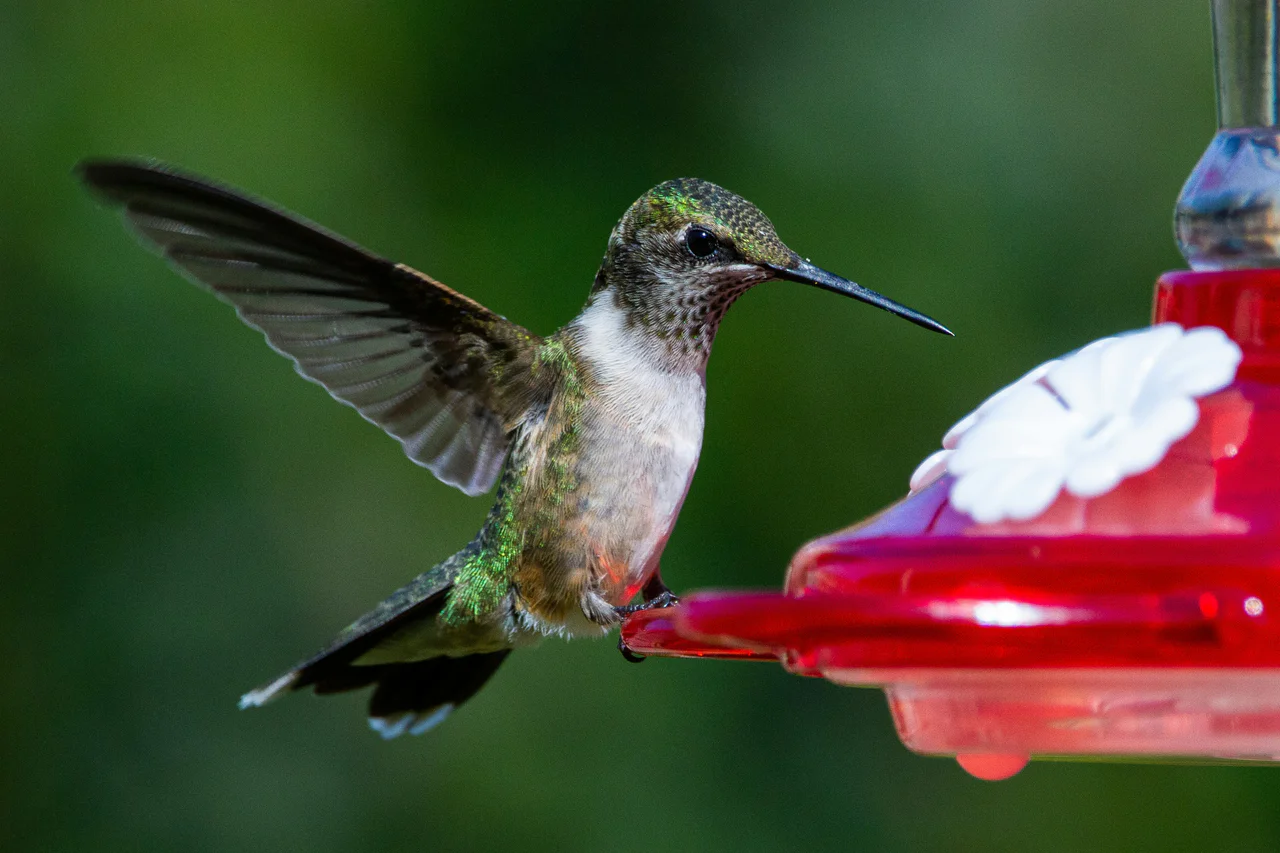
The wingtips trace a figure eight because the wing has to make lift on both the downstroke and the upstroke. Here's how that works and why it hums.
Read more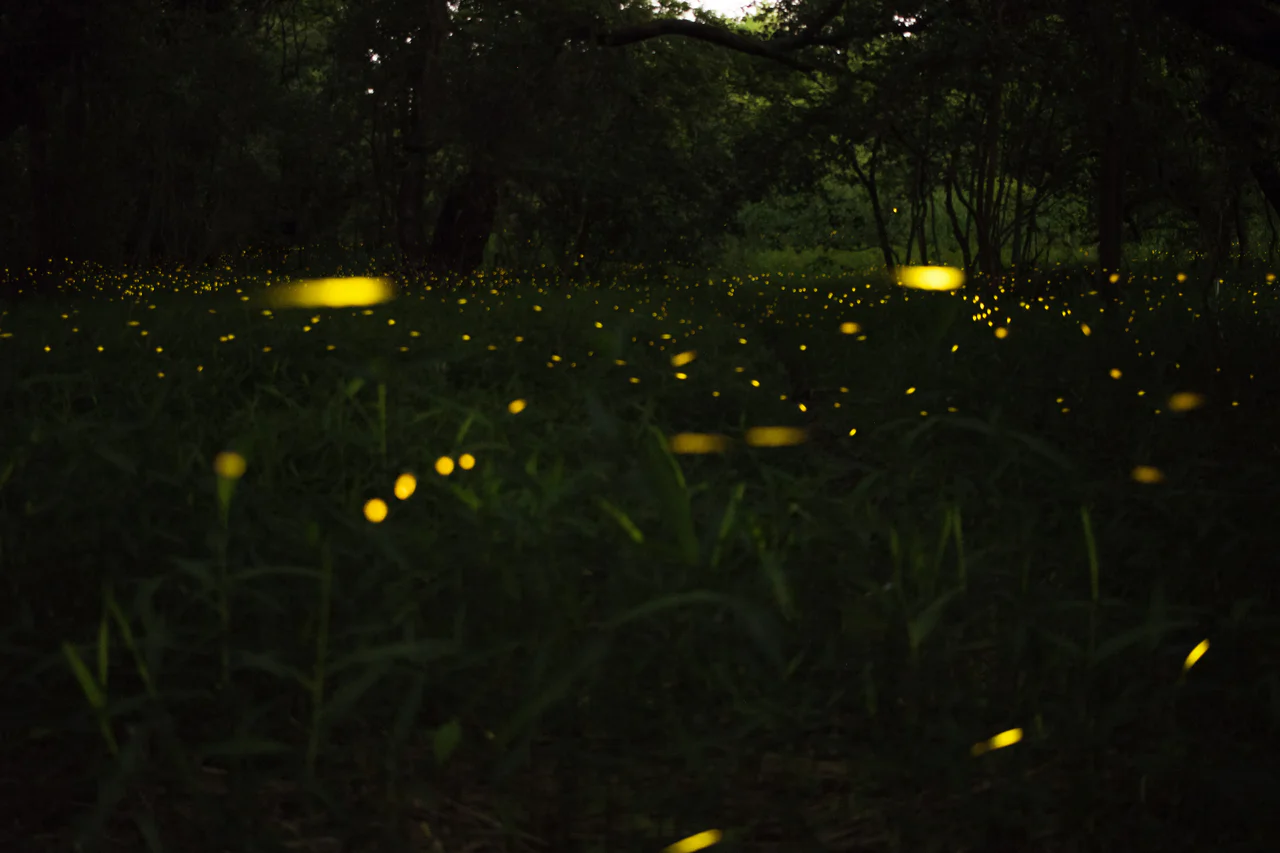
The textbook says firefly light is 88% efficient. A 2007 measurement found 41%. Here's the chemistry behind the flash and why the number matters.
Read more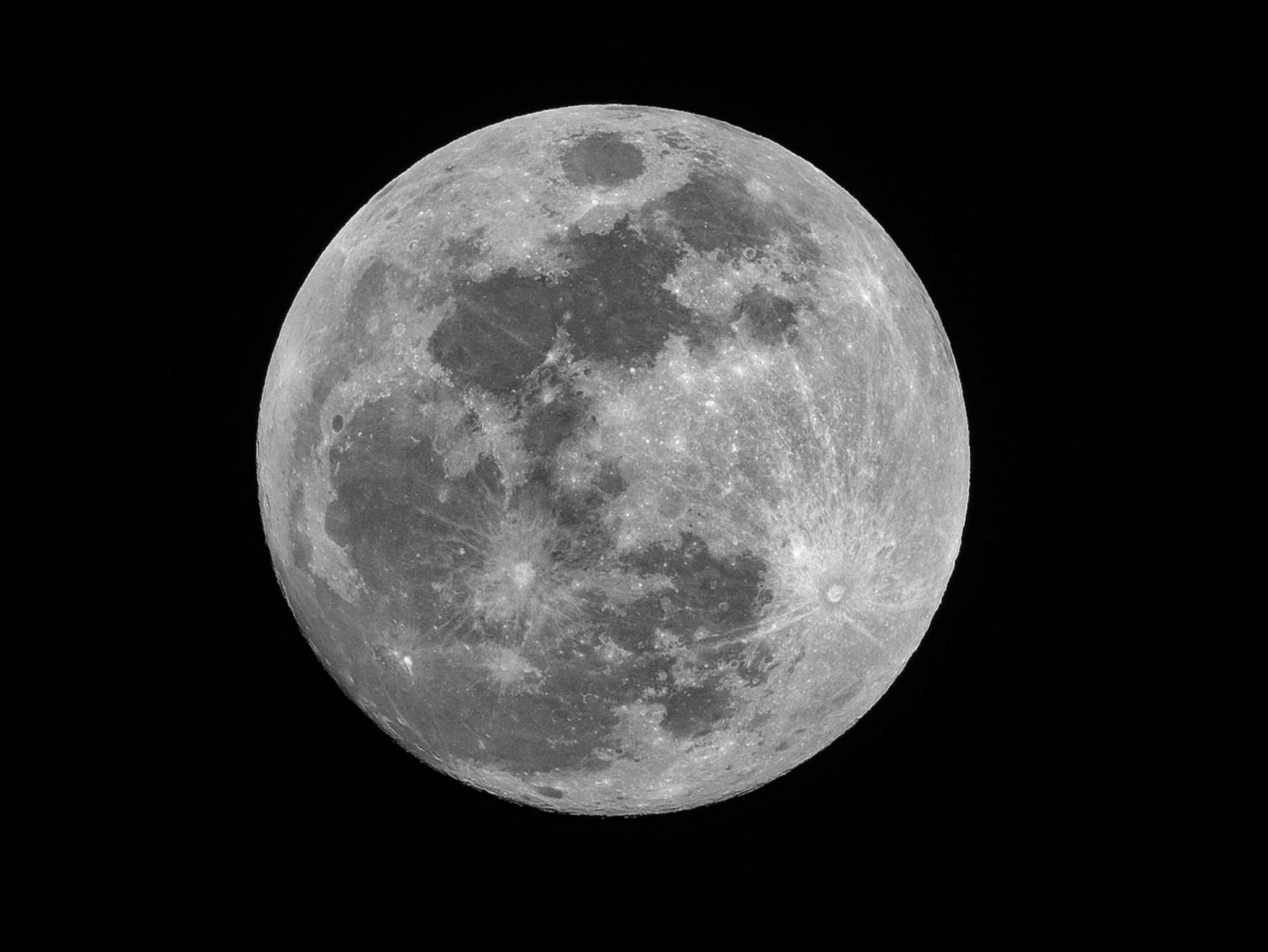
The 22-degree halo is a real optical phenomenon caused by ice crystals. The rain prediction is statistically supported but not guaranteed.
Read more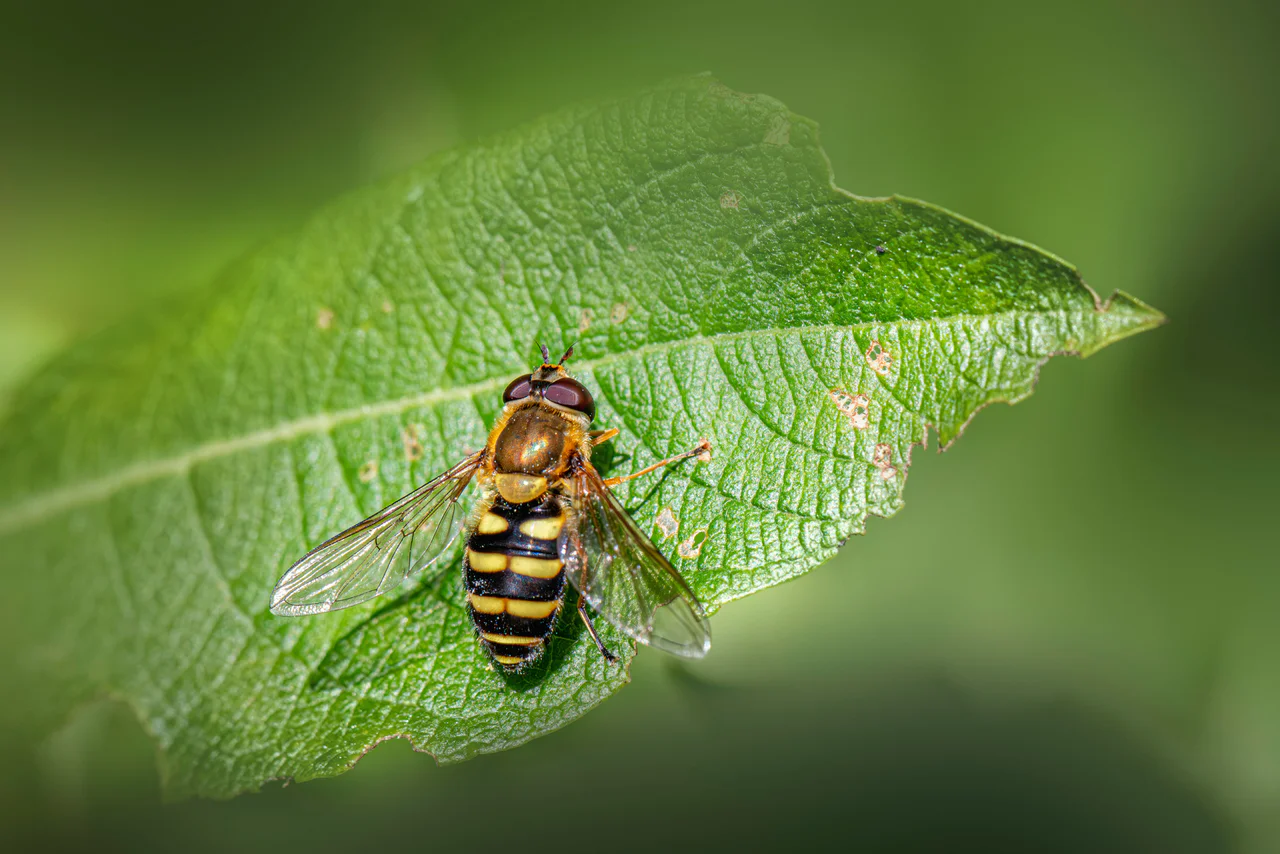
A harmless hoverfly looks like a wasp, but not quite. The textbook rule says closer resemblance wins, and the evidence says that rule is conditional.
Read moreStay up to date
Seven categories, one approach. One email a week the good stuff from tech and cars, no spam, ever.