ScienceOctober 31, 2026
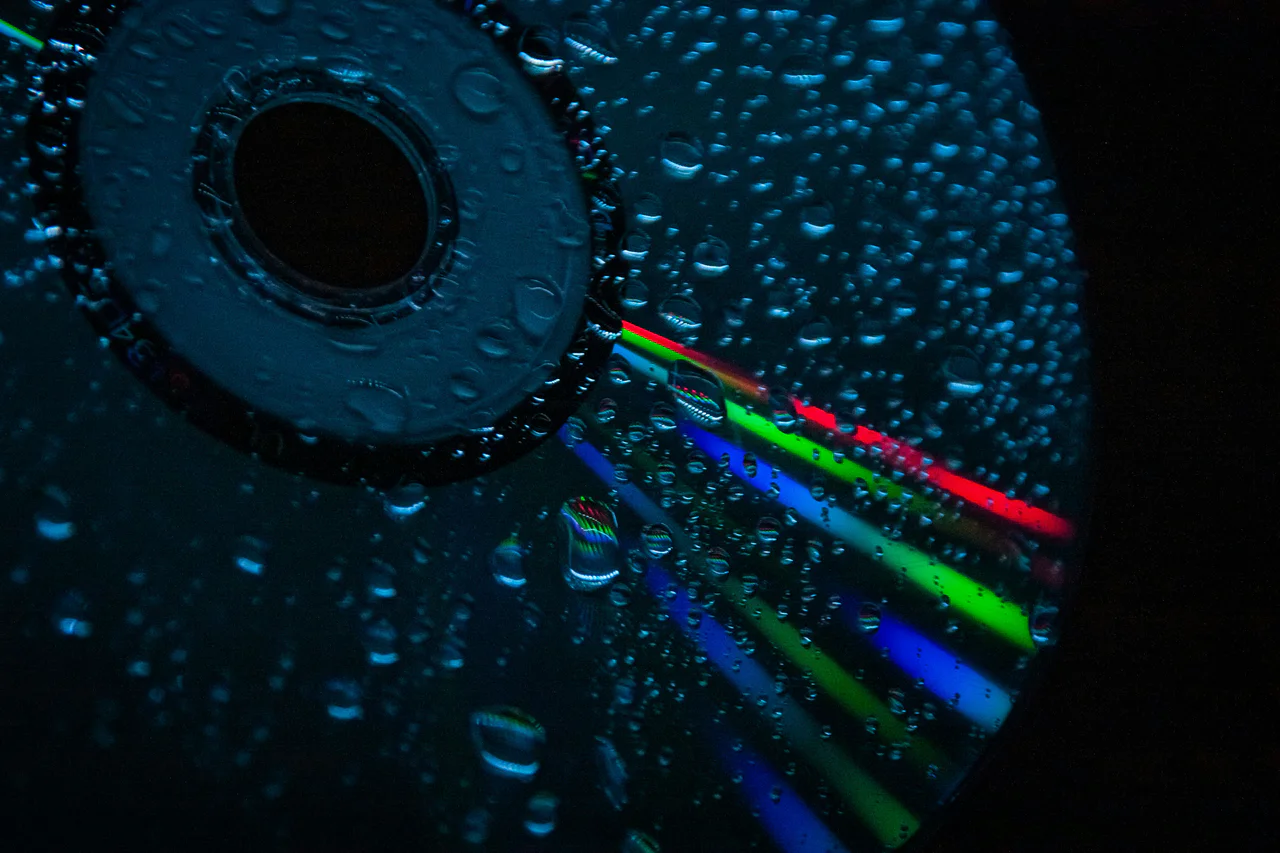
CD Rainbows Come From Tightly Spaced Tracks
A CD's spiral track is spaced about 1.6 micrometres apart, so it splits white light into colours by diffraction. Tilt it and the colours shift.
Read moreScience
We start from first principles and build up, so the explanation still holds after you've forgotten the headline. Recent explainers include CD Rainbows Come From Tightly Spaced Tracks and Does Road Salt Stop Working Below −9°C?.
A CD's spiral track is spaced about 1.6 micrometres apart, so it splits white light into colours by diffraction. Tilt it and the colours shift.
Read more
Road authorities in Britain, Sweden and Germany put the limit of rock salt somewhere between −5°C and −10°C. Here is why the number is fuzzy, and what to use instead.
Read more
Metal and wood at the same temperature feel different because metal cools your skin's surface far more. Here's the physics, with real numbers.
Read more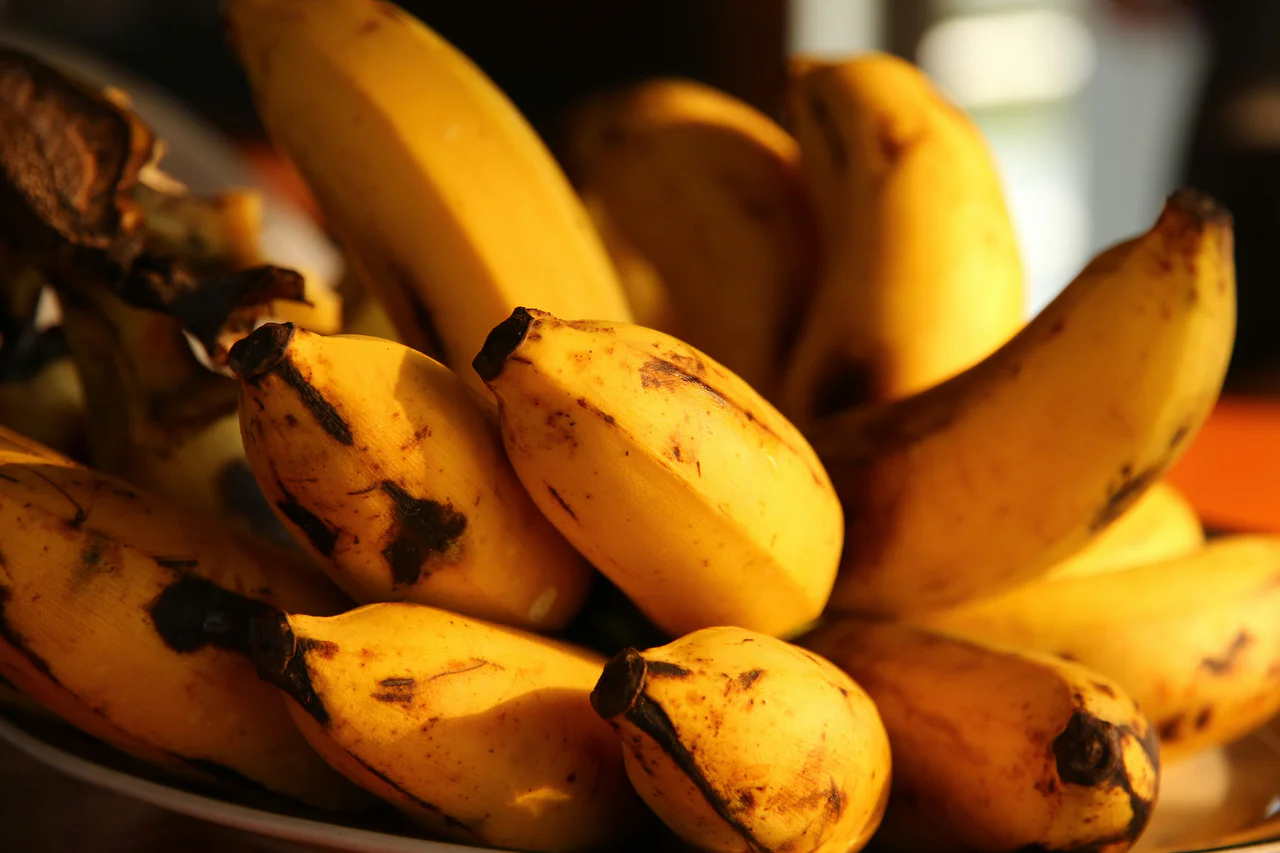
A banana does emit radiation from potassium-40, but the dose is tiny next to a day of natural background, and your body regulates the potassium.
Read more
Birds may navigate using entangled electron spins in their eyes. Here's the radical pair mechanism, the evidence for it, and what remains unproven.
Read moreStay up to date
Seven categories, one approach. One email a week the good stuff from tech and cars, no spam, ever.