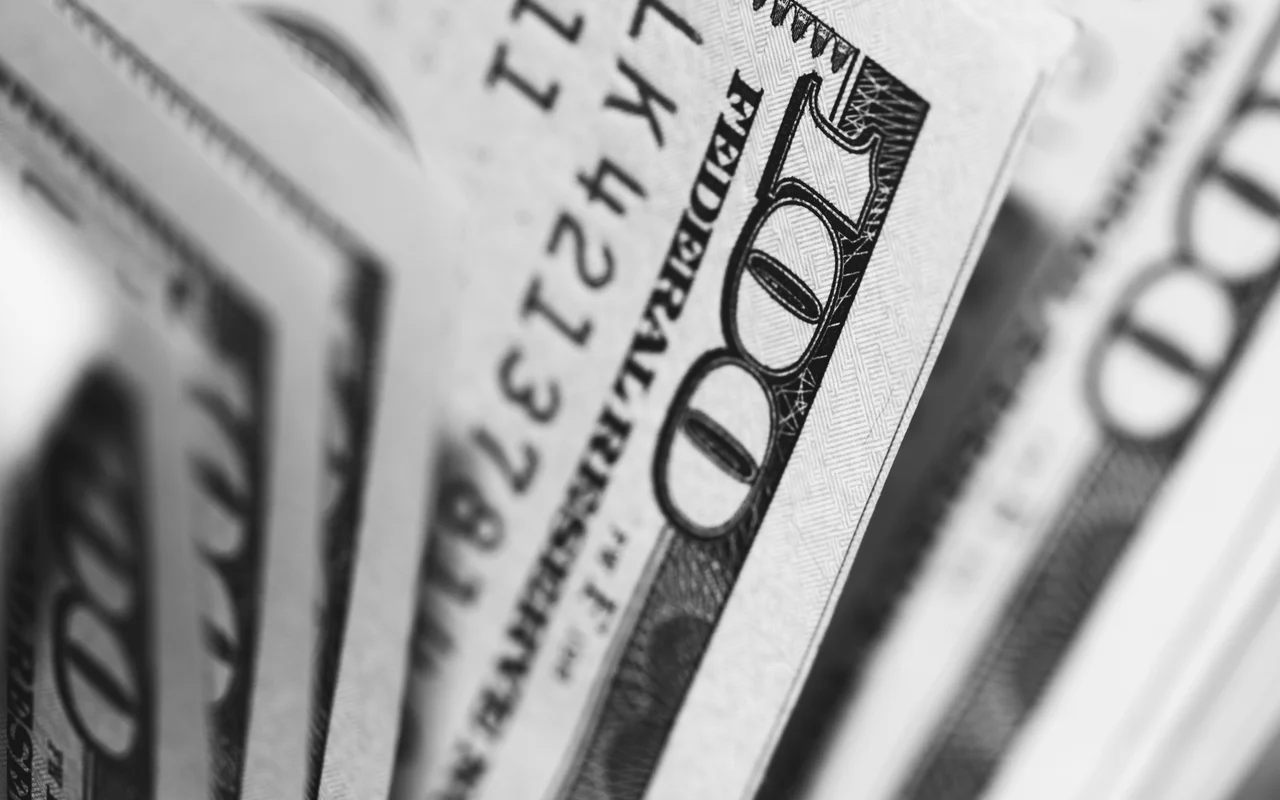
On 5 November 1991, the United States Patent and Trademark Office issued a patent for testing paper money with an iodine solution dispensed from a pen-like instrument, according to an EBSCO research starter by Helen Davidson. Today a shop assistant may still draw a quick line across your note and watch the colour of the mark. The claim holds: a pen reacts to starch in the paper, so a dark mark flags some paper fakes, but a clear mark does not prove a note is real. The Bank of England says pens do not spot counterfeits printed on polymer, and the Federal Reserve’s training materials warn that counterfeiters can coat notes or reprint bleached genuine ones.
75 percent cotton, 25 percent linen
EBSCO’s summary says Federal Reserve note paper in the United States is 75 percent cotton and 25 percent linen, with embedded red and blue security fibres. Paper made for photocopying and printing contains large amounts of starch. The pen holds an iodine solution that darkens on starch. On a note with no starch, the mark stays clear or turns light amber.
So the pen asks one question: does this paper look like copier paper? Why note paper is cotton, and how its ink is laid on, is covered in our post on cotton fibre and intaglio printing.
More than half: counterfeits with no starch to find
The Reserve Bank of Australia reported in its March 2019 Bulletin that genuine Australian notes have been printed on polymer since 1992 and that polymer-based counterfeits then made up more than half of all counterfeits detected. Over the two years before, about 40 percent of detected counterfeits were considered high quality. The Bank of England says pens do not spot counterfeits printed on polymer, and EBSCO says they are not effective on polymer notes.
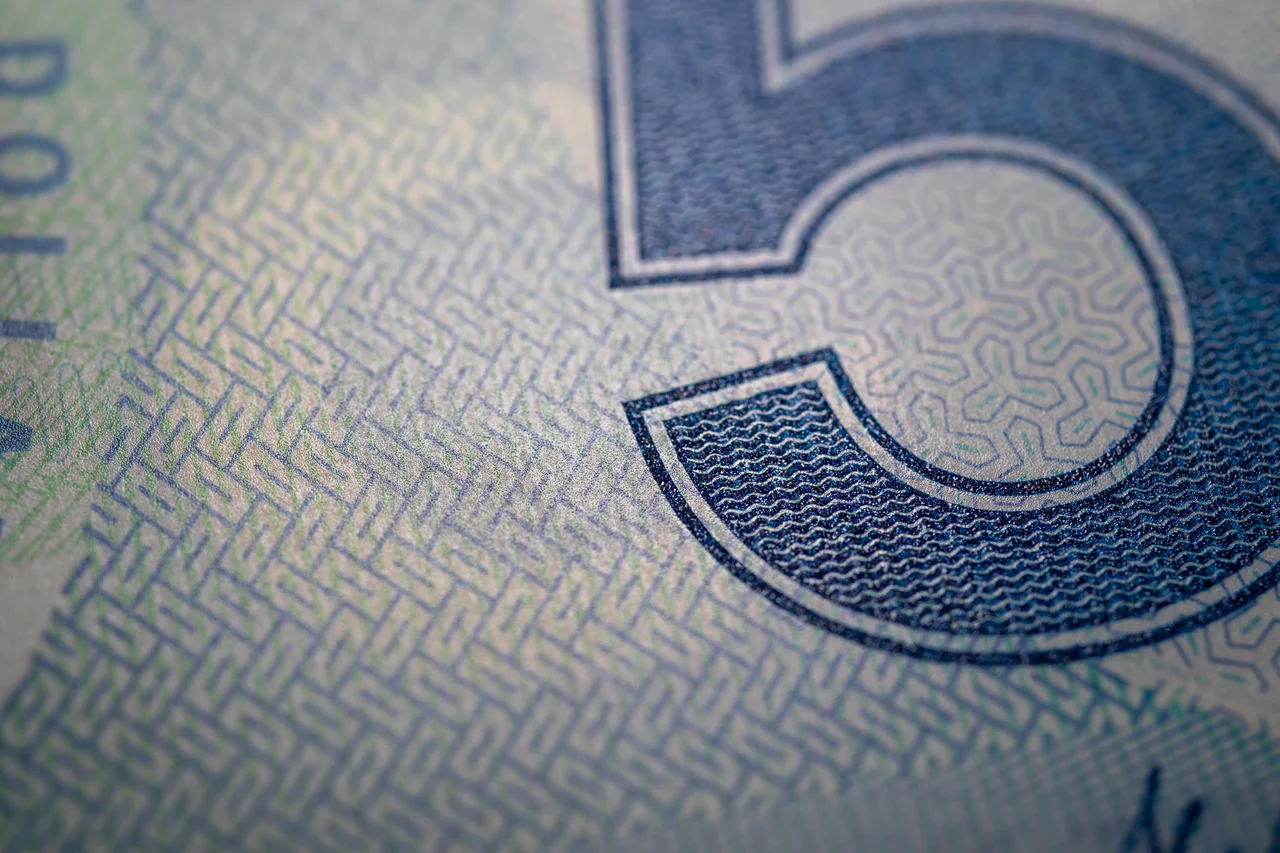
The same Australian article says counterfeits that successfully copy features such as microprint, shadow image, see-through register or raised intaglio print are rare. A pen checks only the paper, while those features are the hard part to copy.
Real paper, wrong value
A clear mark is the absence of a reaction. Several kinds of fake produce the same absence:
| Kind of fake | What the pen shows | Why | Source |
|---|---|---|---|
| Counterfeit on copier or printer paper | Dark mark | Starch in the paper | EBSCO |
| Genuine low-value note bleached and reprinted as a higher value, such as 5 USD as 100 USD | Clear or light amber | Genuine paper has little starch | EBSCO |
| Counterfeit coated against the reaction | Can look genuine | The coating prevents the chemical reaction | US Currency Education Program |
| Counterfeit printed on polymer | Not spotted | Pens do not spot polymer counterfeits | Bank of England |
The Federal Reserve says pens are not always accurate and may give false results, and that the best way to judge a note is its security features, such as the watermark and security thread. EBSCO’s summary still treats a pen as a preliminary screening tool.
What to check instead
The US Currency Education Program tells people to feel the paper, tilt the note and check it against light. For a United States note that means slight roughness, colour-shifting ink on the higher denominations, and a watermark and security thread that match the note. The Bank of England says all its notes can be authenticated by look, tilt and feel, using two key features: the hologram that changes as you tilt the note, and the see-through window with its foil.
None of these checks depends on starch. A starch test cannot prove authenticity, and counting counterfeits is also imprecise. A 2025 Federal Reserve study, as EBSCO summarises it, estimated about 15 million USD of counterfeit United States currency in circulation, with an upper estimate of about 30 million USD.
Quick questions
Sources
Davidson, H.. Counterfeit banknote detection pens (opens in a new tab), ebsco.com, .
Supports the 5 November 1991 patent, the starch reaction, the 75 percent cotton and 25 percent linen paper, bleached note examples, polymer notes and the 2025 Federal Reserve estimate.
Bank of England (United Kingdom). How to check your banknotes (opens in a new tab), bankofengland.co.uk.
Supports detector pens not spotting polymer counterfeits, checking by look, tilt and feel, the two key features, UV lamp advice, machine testing and what to do with a suspect note.
Board of Governors of the Federal Reserve System (United States). How do I determine if a banknote is genuine? What should I do if I think I have a counterfeit note? (opens in a new tab), federalreserve.gov, .
Supports pens being not always accurate, reliance on security features such as the watermark and thread, and the steps for a suspect note in the United States.
U.S. Currency Education Program. How to Check Your Money (opens in a new tab), uscurrency.gov.
Supports pens detecting starch in commercially available paper, coated and bleached counterfeits, false results and the feel, tilt and check method.
Ball, M.. Recent Trends in Banknote Counterfeiting (opens in a new tab), rba.gov.au, .
Supports polymer counterfeits being more than half of those detected in Australia, the 40 percent high quality share, rare copies of security features and the steps for a suspect note in Australia.
Cornell University Division of Finance (United States). How to Detect Counterfeit US Money (opens in a new tab), finance.cornell.edu.
Supports smudging ink not proving a note fake or genuine.